Sharpie Typeface: The Perfect Handwritten Touch for Handmade Branding
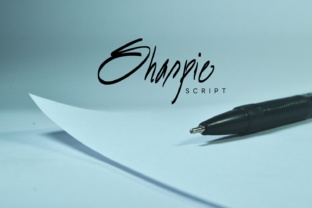
I was staring at a blank canvas on my screen, trying to design the final label for a batch of lavender soy candles. I had the wax melted, the wicks trimmed, and the glass jars waiting, but the typography felt flat. It looked too corporate, too sterile for something so cozy and natural. That’s when I remembered Sharpie. I opened up my font library, located this Script Amp typeface, and immediately felt a shift in the project’s energy. It wasn’t just about picking a font; it was about capturing a feeling. Sharpie emulates the feel and look of writing with a marker, bringing a beautiful, laid-back vibe that instantly makes designs feel personal and approachable.
If you are a crafter, handmade seller, or printable creator, you know that the difference between a good product and a great one often comes down to those small details. The texture of the paper, the color of the ribbon, and yes, the choice of typeface all contribute to the perceived quality of your brand. Sharpie is not just a font; it is a creative tool that helps bridge the gap between digital design and physical craft. Whether you are cutting vinyl for mugs, printing stickers for Etsy orders, or designing digital planners, using a font like Sharpie can elevate your shop materials from generic templates to bespoke branding.
The Visual Personality of Sharpie
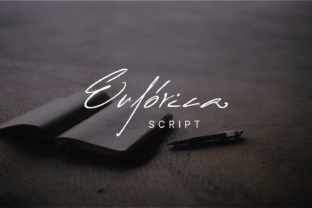
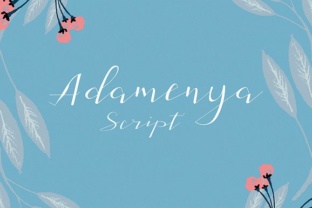
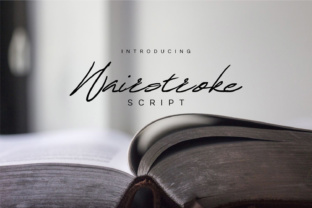
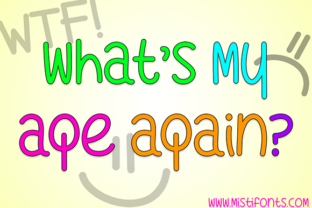
Sharpie belongs to the category of handwritten and script fonts, but it distinguishes itself through its casual, marker-like aesthetic. Unlike formal calligraphy scripts that demand perfect spacing and elegant flourishes, Sharpie is fun and engaging. It has a relaxed rhythm, mimicking the slight imperfections and pressure variations of a real marker on paper. This visual personality makes it incredibly versatile for makers who want their products to feel authentic rather than manufactured.
When you use Sharpie, you are injecting a sense of warmth and immediacy into your work. It feels like a note left by a friend, a quick sketch in a journal, or a sign painted by hand. For handmade businesses, this emotional appeal is crucial. Customers connect with brands that feel human. A candle label designed with Sharpie suggests that someone poured love and care into the product, reinforcing the value of handmade goods. It creates an inviting atmosphere that encourages customers to linger, browse, and buy.
Real-World Applications for Makers
I have found that Sharpie shines brightest when used for short phrases, names, titles, and decorative wording. It is a display font, meaning it is best suited for headlines and focal points rather than long blocks of text. Here is how I integrate it into various aspects of my crafting business:
- Candle and Product Labels: On my soy candle labels, I use Sharpie for the scent name, such as "Lavender Haze" or "Citrus Burst." The bold, marker-style letters pop against minimalist backgrounds, drawing the eye immediately. I pair it with a smaller, clean sans serif font for the ingredient list and weight details, creating a hierarchy that is both stylish and functional.
- Greeting Cards and Invitations: When designing birthday cards or wedding welcome signs, Sharpie adds a playful touch. For a rustic farmhouse wedding, I might use it for the couple’s names on a chalkboard-style background. The irregular edges of the letters complement the rough textures of wood and burlap, enhancing the overall theme without looking out of place.
- Stickers and Boutique Tags: Sticker sheets are a staple for many online sellers. Sharpie works wonderfully for die-cut stickers because its distinct shape remains recognizable even at smaller sizes. I use it for motivational quotes on planner stickers or for labeling gift tags attached to jewelry boxes. The laid-back style makes gifts feel more thoughtful and curated.
- Seasonal Designs and Signs: During holidays, Sharpie becomes a go-to for festive signage. Think of a "Merry & Bright" sign for Christmas or a "Happy Halloween" banner. The font’s energetic strokes capture the spirit of the season perfectly. It also looks great on tote bags and t-shirts, where the casual vibe aligns with everyday wearability.
- Digital Printables and Wall Art: For printable wall art, Sharpie allows me to create modern, gallery-worthy pieces that don’t take themselves too seriously. A simple typographic print featuring a single word like "Create" or "Breathe" in Sharpie can serve as a powerful focal point in a home office or bedroom. It pairs beautifully with ample white space, letting the typography speak for itself.
Designing for Readability and Production
As a maker, I constantly switch between digital design software and physical production tools like Cricut or Silhouette machines. When using Sharpie, readability is key, especially for small items like product labels or mini stickers. While the font is charming, its marker-like thickness can sometimes merge letters together if the kerning (spacing between characters) is too tight. I always zoom in to 400% when preparing files for cutting machines to ensure that each letter is distinct and will cut cleanly.
For listing images and mockup previews, Sharpie performs exceptionally well. Its high contrast and clear shapes translate well to thumbnails on platforms like Etsy or Amazon. However, be mindful of file formats. If you are selling SVG files or digital downloads, ensure that the paths are properly outlined and converted to curves. This prevents distortion when customers open the files on different devices. Additionally, check the included styles, alternates, ligatures, and swashes. Sharpie often comes with multiple weights and alternate characters that allow for customization. Using these features can help you tailor the font to specific design needs, such as adjusting the width of certain letters to fit a narrow label.
Font Pairing and Brand Consistency
One of the most effective ways to use Sharpie is through thoughtful font pairing. Because Sharpie is a dominant, expressive display font, it needs a partner that provides stability and clarity. I frequently pair it with a clean sans serif font for body text or secondary information. The contrast between the casual, handwritten Sharpie and the structured, geometric lines of a sans serif creates a balanced composition that is easy on the eyes.
Alternatively, pairing Sharpie with a simple serif font can add a touch of sophistication, suitable for boutique packaging or high-end stationery. You might also experiment with other script fonts, but be cautious. Two competing scripts can create visual clutter. If you must use another script, choose one that is significantly lighter or more formal to let Sharpie take center stage. Consistency in font pairing across all your shop materials—labels, packaging, social media graphics, and website—helps build a strong brand identity. When customers recognize your unique combination of fonts, they begin to associate that style with the quality of your products.
Technical Considerations for Sellers
Before incorporating Sharpie into your commercial products, it is essential to review the licensing terms. Ensure you have a commercial font license if you are selling physical products like shirts, mugs, or printed cards. Some fonts allow for limited commercial use, while others require a separate license for merchandise. Check for multilingual support if you plan to offer translations or target international markets. Also, verify the file formats available. TTF and OTF files are standard for desktop publishing, but if you are creating SVGs for cutting machines, you may need to convert the font paths manually or use specialized software.
Sharpie is more than just a pretty typeface; it is a strategic asset for any maker looking to infuse their work with personality and charm. By understanding its visual strengths, respecting its limitations in terms of readability, and pairing it wisely with other design elements, you can create cohesive, appealing products that resonate with your audience. Whether you are designing a single custom order or scaling up a line of printables, Sharpie offers the flexibility and flair needed to make your handmade creations stand out in a crowded marketplace. So, grab your virtual marker, open your design software, and start bringing your ideas to life with the authentic touch of Sharpie.