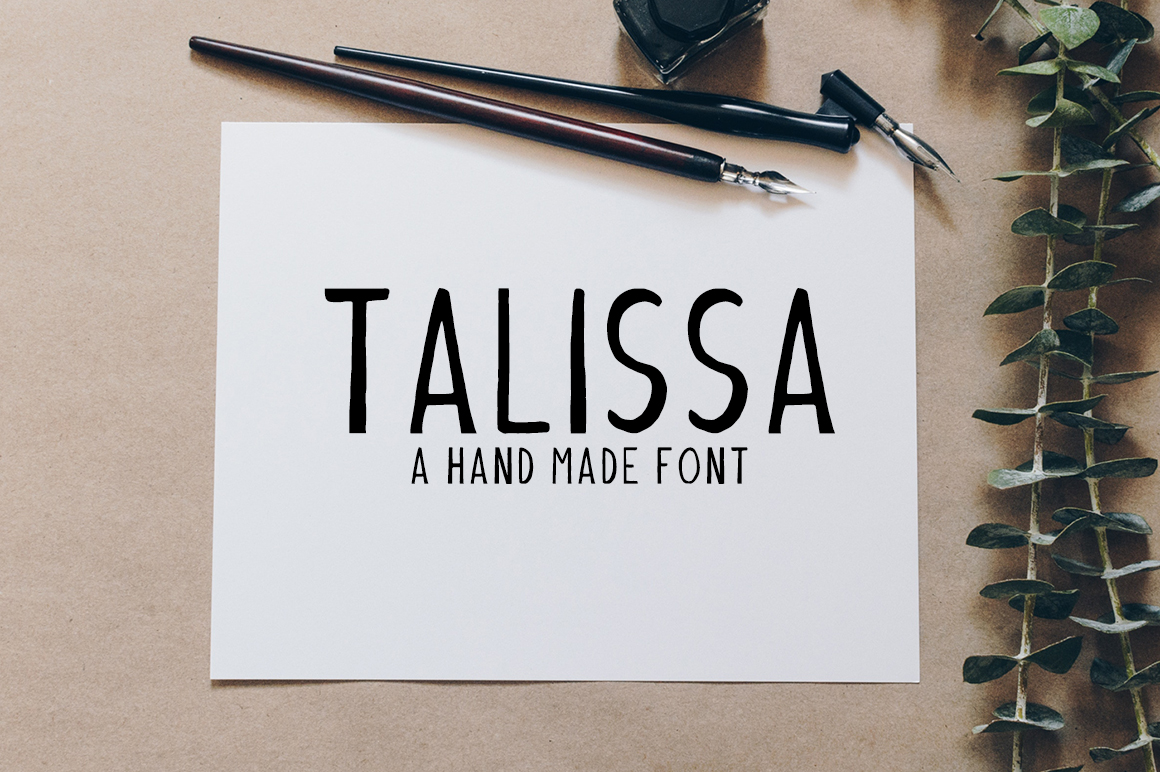
Talissa: The Timeless Sans Serif for Handmade Branding
When you are building a brand as a crafter or small business owner, the typography you choose does more than just convey words—it sets the tone for your entire product line. I have spent years testing fonts for everything from delicate wedding invitations to rugged farmhouse signs, and I can tell you that finding a typeface that balances elegance with approachability is often the hardest part of the design process. That is exactly why Talissa has become such a valuable asset in my creative toolkit. It is not just another script font; it is a handmade and timeless font that brings a uniquely organic feel to digital designs while maintaining the clean structure of a modern sans serif.
As a seller who creates physical products like stickers, labels, and printable art, I need fonts that look good on screen but also translate beautifully when printed. Talissa fits this niche perfectly. It offers the warmth of a handwritten style without the legibility issues that often plague overly decorative scripts. Whether you are designing boutique tags for handmade soaps or creating elegant stationery sets, Talissa provides a classy and modern aesthetic that appeals to a wide audience.
Why Talissa Fits the Handmade Aesthetic
The term "handmade" in design usually implies imperfection, texture, and personality. Many designers reach for heavy brush scripts or messy handwriting fonts to achieve this look, but those styles can quickly become unreadable or look dated. Talissa takes a different approach. As a sans serif typeface, it retains geometric clarity, yet its subtle irregularities give it that essential human touch. This makes it incredibly versatile for creators who want their work to feel crafted by hand rather than generated by a machine.
This balance of structure and charm is what makes Talissa a standout choice for modern typography in the crafting space. It feels professional enough for high-end wedding invitations but friendly enough for casual birthday party decorations. When customers see your product, they subconsciously judge the quality based on these visual cues. A clean, well-chosen font like Talissa signals attention to detail and reliability, which helps build trust with your buyers. It elevates simple items—like a plain candle jar or a basic tote bag—into perceived premium goods simply through the power of good design.
Practical Applications for Crafters and Sellers
One of the biggest challenges in the handmade industry is versatility. You might be selling digital downloads one week and physical merchandise the next. Talissa shines because it works across multiple mediums without losing its integrity. Here is how I use it in various practical scenarios:
- Product Labels and Stickers: For small-scale items like skincare jars, spice tins, or gift boxes, space is limited. Talissa’s sans serif structure ensures readability even at smaller sizes. Its clean lines prevent ink bleed on printed materials, keeping your branding sharp and professional.
- Invitations and Stationery: In the wedding and event sector, Talissa serves as an excellent display font for names and dates. It pairs beautifully with floral illustrations or minimalist borders. Because it is both classy and modern, it fits seamlessly into boho, rustic, or contemporary themes alike.
- Wall Art and Home Decor: If you create SVG files for Cricut or Silhouette users, Talissa is ideal for farmhouse-style quotes or motivational prints. Its sturdy letterforms hold up well when cut from vinyl or wood, ensuring that the final physical product looks as good as the digital mockup.
- Digital Printables: For planners, journals, and organizational sheets, readability is key. While Talissa is great for headers and titles, its clean nature makes it easy on the eyes for any user-facing text where clarity matters.
I often recommend using Talissa for short phrases, names, titles, and decorative wording. It is designed as a display font, meaning it is meant to be seen and appreciated rather than read in long paragraphs. Using it for body text can sometimes feel too bold or stylistic, but as a primary headline font, it commands attention without shouting.
Design Tips and Font Pairing Strategies
To get the most out of Talissa, consider how it interacts with other typefaces. One of the most effective strategies in font pairing is contrasting textures. Since Talissa is a sans serif with a handmade flair, it pairs exceptionally well with traditional serif fonts or delicate scripts.
For example, if you are designing a wedding invitation suite, try using Talissa for the main guest names and event details, and pair it with a flowing script font for the couple’s names or decorative flourishes. This combination creates a hierarchy that guides the eye while adding visual interest. Alternatively, for a more rustic or vintage look, pair Talissa with a classic serif font to ground the design. The contrast between the modern sans serif and the traditional serif adds depth and sophistication to your layout.
When working with cutting machines, remember that complex swashes or thin lines can sometimes be tricky to weed. Talissa’s balanced stroke width makes it reliable for vinyl cuts, reducing frustration during production. Always test your designs in black and white before adding color to ensure the font holds its shape independently of decorative elements.
Technical Details and Licensing Considerations
Before downloading Talissa from platforms like Script Amp or other fonts marketplaces, it is important to review the specific file contents. High-quality typefaces often include multiple weights, alternates, ligatures, and swashes that allow for greater customization. Check if the package includes multilingual support if you plan to sell internationally. These features add significant value, allowing you to create unique variations of your designs without needing additional assets.
Equally important is understanding the licensing terms. As a creator selling physical products, templates, and digital downloads, you must ensure you have the appropriate commercial license. Most premium fonts allow you to use them in end-products sold to customers, such as printed cards, mugs, shirts, and tote bags. However, restrictions may apply to reselling the font file itself or using it in unlimited web designs. Always read the commercial font agreement carefully to protect your business and respect the designer’s rights.
In summary, Talissa is more than just a typeface; it is a tool that helps bridge the gap between digital creativity and tangible craftsmanship. Its ability to look attractive, readable, and commercially useful makes it an indispensable addition to any crafter’s library. By choosing a font that reflects the care and quality of your handmade goods, you are not just labeling your products—you are telling a story that resonates with your customers.